


Dermhealth podcast
Key Takeaways:
- The Skin Microbiome Isn’t the Enemy: Bacteria on our skin are mostly beneficial, and it’s all about maintaining a balanced microbiome.
- Microbiome Dysbiosis: Learn how an imbalance in your skin’s microbiome can lead to conditions like acne and eczema.
- Prebiotics, Probiotics, and Postbiotics Explained: Discover how these three work together to enhance your skin health, and what to look for in microbiome-friendly skincare products.

Eczema, also known as atopic dermatitis, is often described simply as “very dry skin.” While dryness is one of its most visible symptoms, the biology behind eczema is far more complex.
Eczema involves an interaction between the skin barrier, the immune system and the skin microbiome. When these systems fall out of balance, the skin becomes vulnerable to inflammation, irritation and recurring flare-ups.
Understanding this microbiome–immune loop helps explain why eczema can become chronic and why supporting the skin barrier is so important.
Supporting the skin barrier and maintaining a balanced skin microbiome are key steps in helping eczema-prone skin remain calm and resilient.

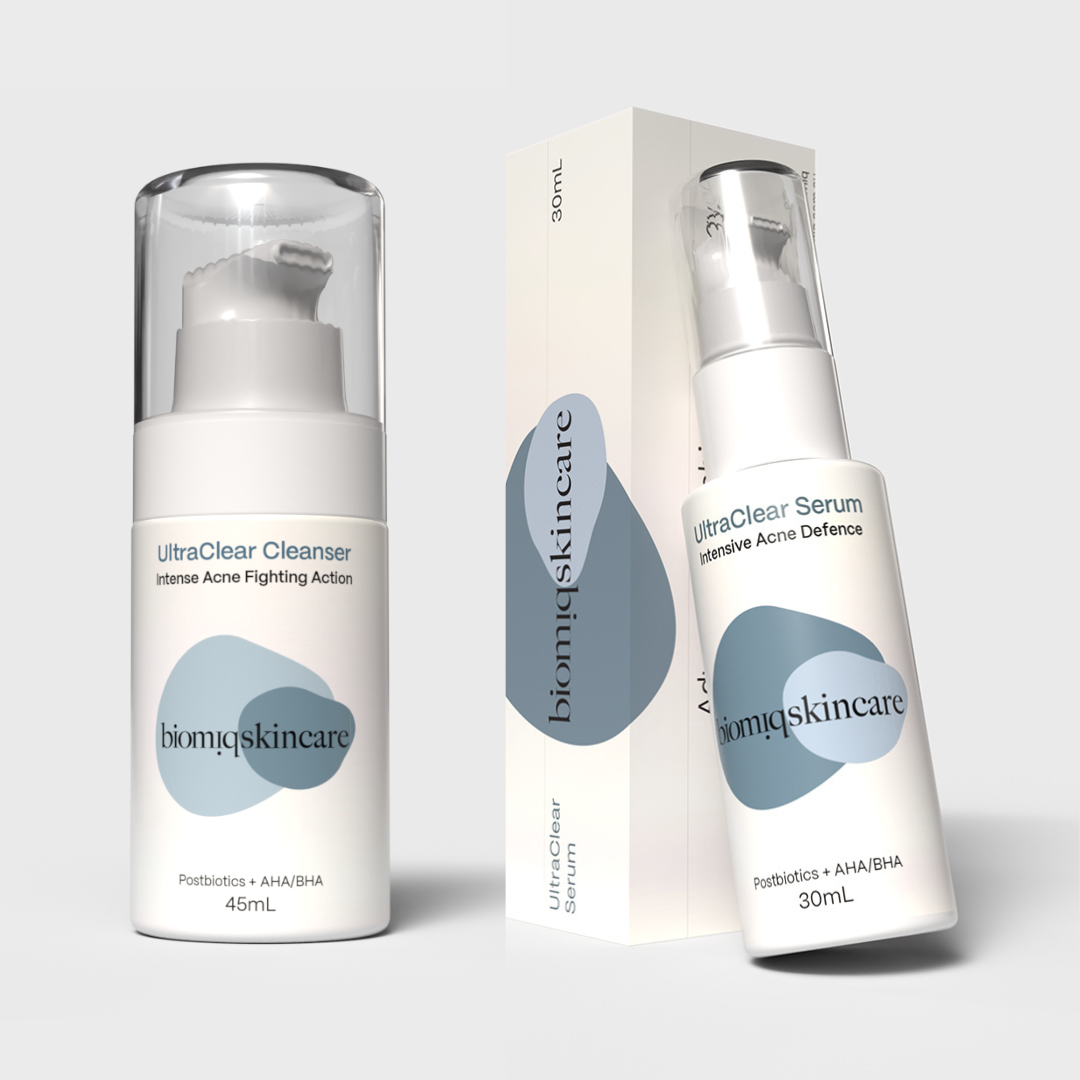
As featured on 9NEWS. The first-of-it's-kind Acne-fighting product developed to promote the skin microbiome, made by Australian scientists.

What Is Eczema?
Eczema is a chronic inflammatory skin condition that commonly causes:
- dry or rough skin
- redness
- itching
- inflamed patches
- skin sensitivity
It often begins in childhood but can affect people of all ages.
The condition tends to follow a cycle of flares and remission, where symptoms worsen for a period of time before improving again.
While environmental triggers such as soaps, allergens or weather changes can aggravate eczema, the underlying cause usually involves changes within the skin itself.

The Skin Barrier and Eczema
The outermost layer of the skin is known as the skin barrier. This layer is composed of skin cells embedded in lipids such as ceramides, cholesterol and fatty acids.
The barrier performs two essential functions:
- It prevents water from escaping the skin
- It protects against irritants, microbes and environmental stress
In people with eczema, this barrier is often weakened or defective.
When the barrier becomes compromised, transepidermal water loss (TEWL) increases. This leads to dehydration of the skin and makes it easier for irritants and allergens to penetrate the surface.
Once these substances enter the skin, the immune system may react aggressively, triggering inflammation and itching.
The Role of the Skin Microbiome
The skin microbiome also plays an important role in eczema.
Healthy skin typically supports a diverse community of microbes that coexist in balance. These microbes interact with the immune system and help prevent harmful organisms from taking over.
During eczema flares, studies have shown that the diversity of the skin microbiome often decreases dramatically. One bacterium in particular — Staphylococcus aureus — can become dominant.
When this happens, the microbial imbalance can further stimulate the immune system, intensifying inflammation.
This creates a cycle in which barrier damage, microbial imbalance and immune activation reinforce one another.
Deeper Dive into Eczema
Why Eczema Flares Come and Go
Because eczema involves several interacting biological systems, flare-ups can be triggered by many different factors.
Common triggers include:
- harsh soaps or detergents
- extreme temperatures
- allergens such as dust mites
- stress
- skin infections
However, these triggers tend to provoke symptoms mainly when the skin barrier is already weakened.
For this reason, long-term eczema management often focuses on strengthening the barrier and reducing inflammation.
Supporting the Skin Barrier in Eczema
One of the most effective ways to support eczema-prone skin is by improving barrier function.
Practical strategies include:
- using gentle cleansers rather than harsh soaps
- avoiding excessive washing
- applying moisturiser regularly
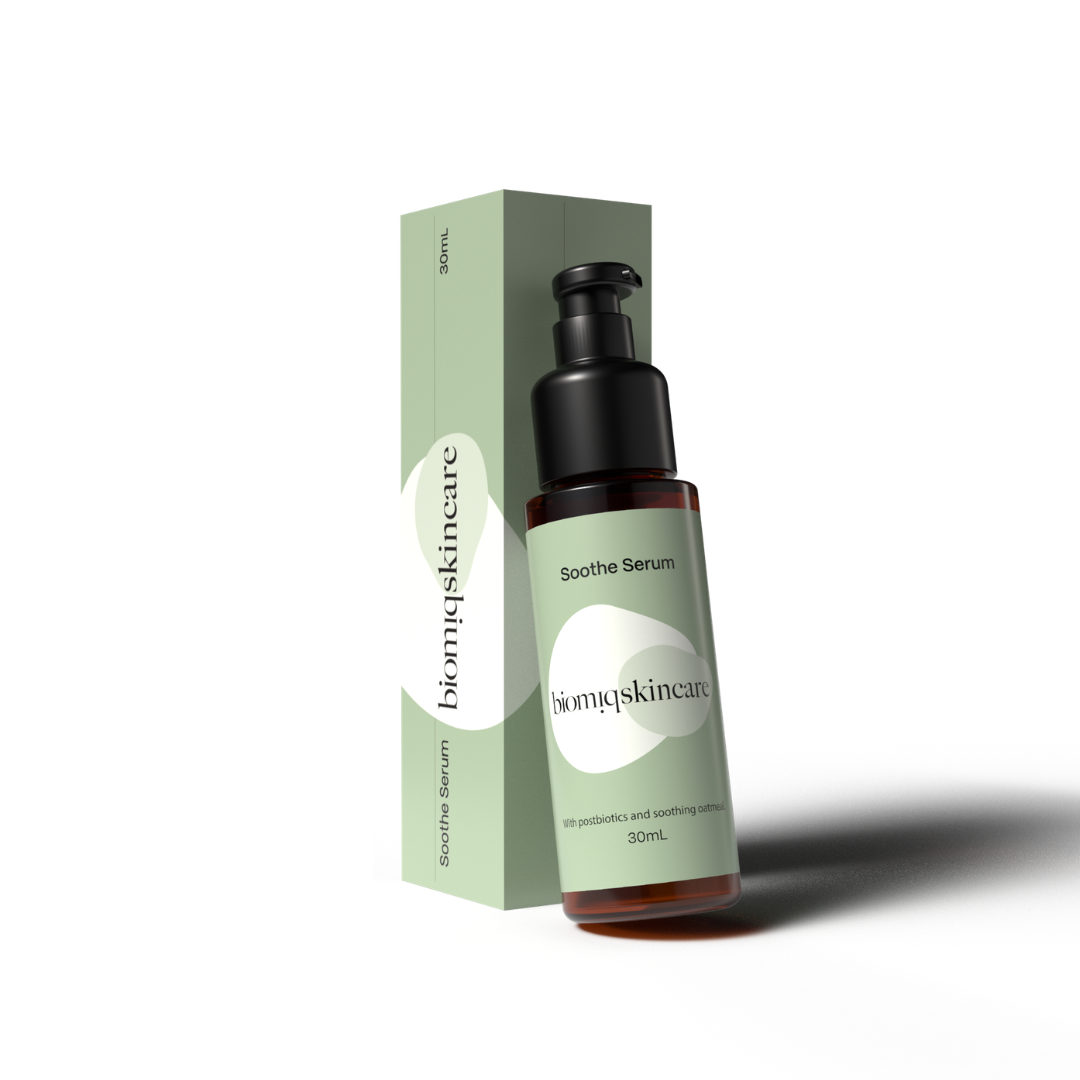
- Using Biomiq Soothe Serum before moisturising
- choosing skincare products that supports the skin barrier
Biomiq Soothe Serum which contains ingredients such as ceramides, cholesterol and fatty acids can help restore the lipid structure of the barrier.
Maintaining hydration in the skin also reduces irritation and can make the skin less reactive to environmental triggers.
One thing you can do for eczema-prone skin
Applying Biomiq Soothe Serum and Light
moisturiser immediately after bathing or showering. Hydrating the skin within a minute helps trap moisture in the skin barrier and can reduce dryness and irritation.